Preparing Your Home’s Electrical System for Spring Storm Season
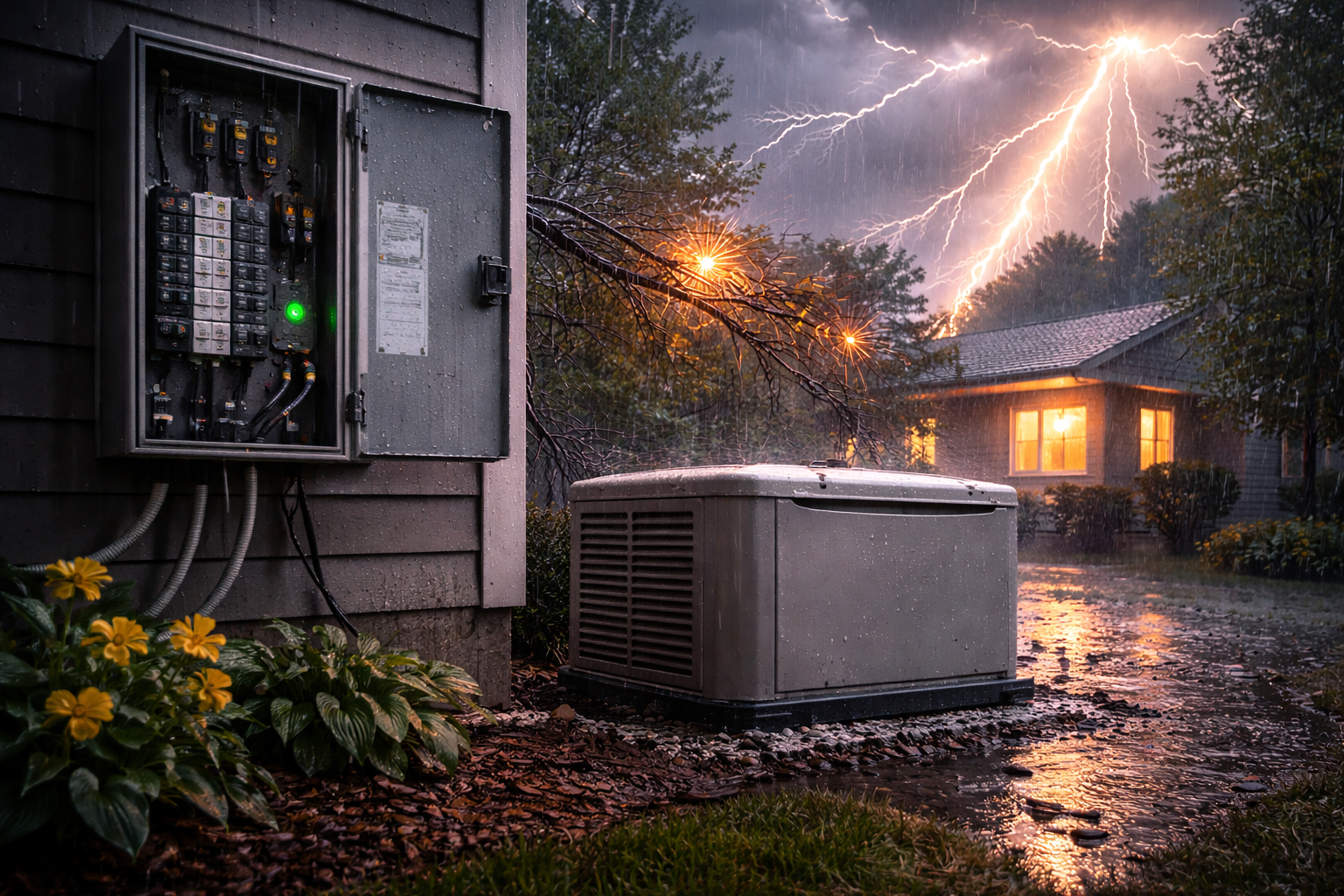
Spring in Michigan brings warmer temperatures, longer days, and the welcome transition out of winter. But it also brings an increase in severe weather. Thunderstorms, high winds, heavy rain, and lightning are all common across West Michigan during the spring months. While many homeowners focus on yard cleanup and exterior maintenance, preparing your home’s electrical system for storm season is just as important.
Electrical damage caused by storms can lead to costly repairs, safety hazards, and inconvenient power outages. Taking proactive steps now can help protect your home, improve reliability, and reduce the risk of unexpected electrical issues as storm activity increases.
Why Spring Storms Pose a Risk to Electrical Systems
Spring storms can impact electrical systems in several ways. Lightning strikes, power surges, flooding, and wind damage all create potential risks. Even if your home is not directly struck by lightning, nearby strikes can send voltage spikes through power lines and into your electrical panel.
Storm-related electrical issues commonly include:
• Power surges that damage appliances and electronics
• Tripped breakers or blown fuses
• Downed power lines affecting service reliability
• Water intrusion into electrical components
• Damage to outdoor lighting or wiring
• Generator failures during outages
Because many homes rely on complex electrical systems for heating, cooling, communication, and safety devices, storm preparation is an essential part of spring home maintenance.
The Importance of a Professional Electrical Inspection
One of the most effective ways to prepare your home for storm season is by scheduling a professional electrical inspection. A licensed electrician can identify vulnerabilities that may not be visible to homeowners.
During a spring inspection, an electrician may:
• Evaluate the condition of your electrical panel
• Check grounding and bonding systems
• Inspect outdoor wiring and fixtures
• Test circuit breakers and safety devices
• Identify outdated or damaged wiring
• Assess surge protection measures
Addressing potential issues before storms arrive can help prevent outages, reduce fire risk, and ensure your system operates safely under stress.
Surge Protection Is Essential in Storm-Prone Areas
Power surges are one of the most common electrical threats during spring storms. Surges can occur when lightning strikes nearby power infrastructure or when power is restored after an outage.
Whole-home surge protection offers significant benefits by:
• Protecting major appliances and HVAC systems
• Reducing damage risk to sensitive electronics
• Extending the lifespan of electrical equipment
• Preventing costly repair or replacement expenses
While plug-in surge protectors offer limited protection, installing a whole-home surge protection system at the electrical panel provides a more comprehensive solution.
Backup Power Planning for Outages
Spring storms frequently cause power outages in Michigan, sometimes lasting hours or even days. Having a backup power plan in place can help maintain comfort and safety during these events.
Homeowners may consider:
• Whole-home standby generators
• Portable generators with proper transfer equipment
• Battery backup systems for critical devices
• Emergency lighting and power solutions
If you already have a generator, spring is an ideal time to schedule maintenance to ensure it operates reliably when needed.
Outdoor Electrical Systems Need Special Attention
Outdoor electrical components are especially vulnerable to storm damage. Lighting systems, outlets, landscape wiring, and service lines can all be affected by wind, moisture, and debris.
Preparing outdoor electrical systems includes:
• Securing loose fixtures or wiring
• Ensuring outdoor outlets have weatherproof covers
• Checking for exposed or damaged cables
• Clearing debris around service equipment
• Evaluating pole-mounted or detached structure wiring
Taking these steps helps reduce the likelihood of electrical hazards or service disruptions during severe weather.
Electrical Panel Readiness and Capacity
Older electrical panels may struggle to handle modern power demands, especially during storms when multiple systems operate simultaneously. HVAC equipment, sump pumps, generators, and emergency lighting can place additional strain on your electrical system.
Upgrading or maintaining your panel can:
• Improve system reliability during high demand
• Reduce the risk of breaker failures
• Enhance overall home safety
• Support new technology and appliances
An electrician can determine whether your panel is adequately sized and functioning properly for your home’s needs.
Flooding and Water Intrusion Risks
Heavy rain and melting snow can lead to flooding or water intrusion in basements and crawl spaces. Electrical systems located in these areas may be vulnerable to moisture exposure.
Water-related electrical risks include:
• Short circuits or equipment damage
• Increased fire hazards
• Corrosion of wiring and connections
• Mold growth affecting system components
Ensuring proper drainage, sump pump functionality, and waterproofing measures can help protect electrical infrastructure during spring storms.
Tree Damage and Overhead Lines
Spring storms often bring strong winds that can damage trees and overhead power lines. Branches falling onto service lines may disrupt power or create hazardous conditions.
Homeowners can reduce risk by:
• Trimming trees near electrical lines
• Inspecting service entry points
• Monitoring for sagging or damaged cables
• Reporting hazardous conditions to utility providers
Proactive tree maintenance can prevent outages and improve overall electrical safety.
Smart Technology and Storm Preparedness
Modern electrical systems often incorporate smart technology, including automated lighting, smart panels, and energy monitoring devices. These systems can enhance storm preparedness by providing real-time alerts and improved system control.
Examples include:
• Smart surge protection monitoring
• Generator status notifications
• Automated lighting during outages
• Remote system diagnostics
Investing in smart electrical solutions can add convenience and resilience during severe weather events.
Long-Term Benefits of Storm Preparation
Preparing your home’s electrical system for spring storms offers both immediate and long-term advantages. Preventive measures help reduce emergency repairs, extend equipment lifespan, and improve energy efficiency.
Benefits include:
• Enhanced safety for occupants
• Reduced risk of costly damage
• Improved system reliability
• Better preparedness for severe weather
• Increased home value and functionality
Storm preparation is not just about reacting to weather events — it is about building a more resilient home environment.
Final Thoughts
Spring storm season in Michigan can bring unpredictable conditions that challenge residential electrical systems. From lightning-induced power surges to flooding and wind damage, the risks are real and often preventable.
By scheduling inspections, investing in surge protection, maintaining backup power solutions, and addressing outdoor electrical vulnerabilities, homeowners can take meaningful steps toward protecting their property and ensuring reliable power throughout the season.
Taking action now helps create peace of mind as Michigan transitions into warmer months. A well-prepared electrical system supports comfort, safety, and confidence — no matter what the spring weather brings.